Winter has arrived to Istanbul unannounced. It has been in an agony of suspense the whole summer so it decided to deprive us of any autumn. From late summer we have transited into early winter. Fashionable wellingtons, practical Timberland boots, cozy berets and warm winter jackets - kept at the storage or thoughtfully bought a week ago - have flooded Istanbul streets. As if the streets were not already flooded by the tons of rainfall which poured on Istanbul all at once.
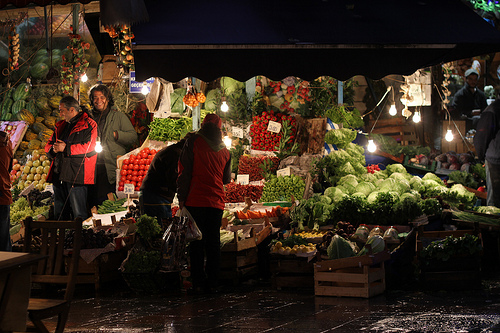
Istanbul food markets smell winter too. Kadikoy market looks just like I got to know it first last December: early dark evenings lightened up by the dozens of lamps at the fish mongers’ and greengrocers’ stalls and people rushing to assemble their dinner on the way home. If you take a break from the busy dinner shopping and look around you will notice how winter has come. Unannounced. But very welcomed. With its humble yet delicious edible specialties.
Nut Season Starts
 |
 |
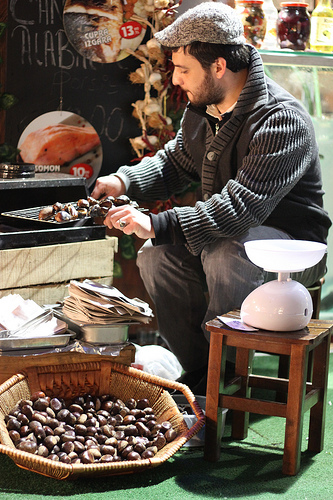
Chestnuts are a definite winter signature food. With potato texture and nutty taste they are mostly know in their roasted variety. “Kestane kebab“, - cries out the vendor behind a red cart as he arranges the roasted beauties jumping out of the cracked shells. Chestnuts coming from Bursa, a town to the south of Istanbul, are legendary and considered so fine they are used for making sweets. Kestane şekeri are much admired by the locals and often time missed by the tourists. Candied by simmering in sugar syrup for a good few hours chestnuts are served plain or coated in chocolate. Once at the Kadikoy market head out to Cafer Erol for one.
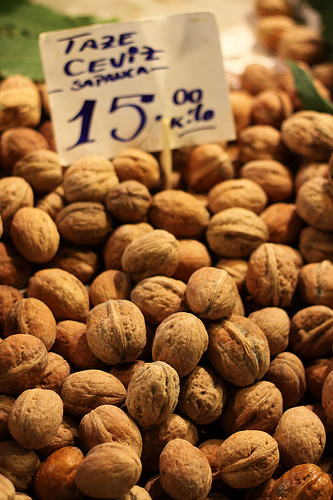
Fresh crop of walnuts made its appearance on the stalls little earlier. Walnuts grow in a whole bunch of regions in Turkey including Sakarya where we partly live too. Two weeks ago with the heavy wind and rain walnuts started falling off the tree right in front of our restaurant entrance. I could not stop running around, picking up walnuts, cracking them and eating one after another. In Turkey walnuts can’t compete with the popularity of pistachios but still widely used in making sweets like baklava, pastry, breads. There is a candied walnut (ceviz tatlısı) too - it is candied in its double shell which is first softened by soaking walnut in the lemon juice.
Keeping Warm with Hot Drinks
 |
 |
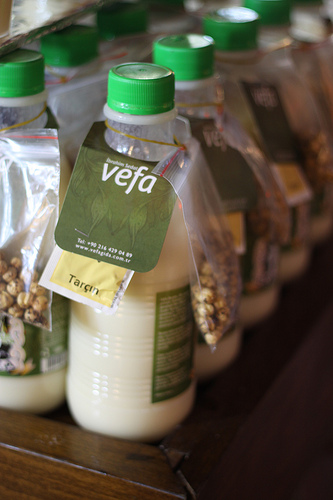
Boza is a drink made of fermented millet - pale yellow and so thick that you can eat it with a spoon. Locals love their glass of boza with a handful of roasted chickpeas (leblebi) sprinkled with cinnamon. It is served cold but nevertheless passes as a winter special. At the Kadikoy market (and elsewhere) you will find shops selling Vefa boza in bottles or loose by glass and it will be a very safe bet.
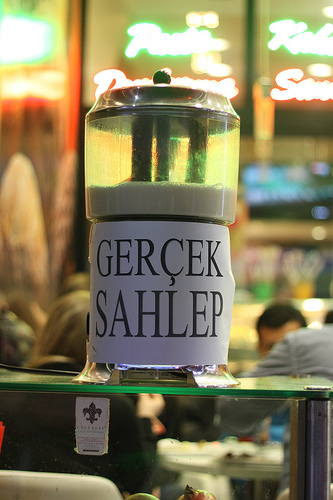
Salep is another drink for cold days and is best when prepared properly versus by reviving an anonymous powder with hot water. Term hakiki (authentic) most likely means you are on the right path and the drink has been prepared with real powdered wild orchid root. No need to say it is somewhat decadent to drink salep knowing that you are contributing to the extinct of the rare plant. The taste of salep can be compared with hot watered down sweet condensed milk and its texture reminds thin semolina porridge. Nutritious and hot, salep is created for winter. And you know winter has come in Istanbul when street vendors and confectionery shops starts selling them in solemn copper jars.
Winter Fish: Lüfer
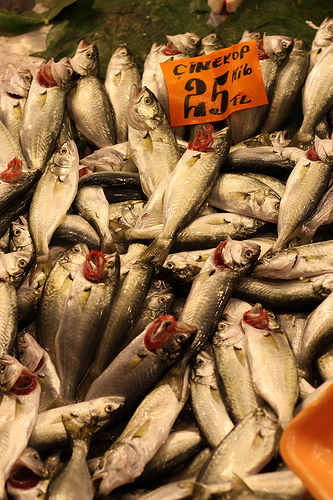
Winter graces fish monger stalls at the Kadikoy market with one of Istanbul’s most delicious and controversial fishes - lüfer (blue fish). Lüfer is a migrating fish: it moves from the colder Black Sea to the warmer Aegean and then Mediterranean Sea. It is changing its taste as it moves along the Bosphorus and a belief holds it that lüfer is most delicious exactly when it reaches Istanbul. For decades this believe has been a call for action for many fishermen. Tender white flash çineköp (small lüfer that has not reached its reproductive size of 21 cm) has been a winter treat highly sought after. As you can figure long practice of catching a migrating fish reduces its stock and endangers its population altogether. This is exactly what has happened to lüfer. Slow Food Istanbul is now running a campaign to raise awareness about the issue and encourage restaurants and shoppers not to buy lüfer smaller than 24 cm.
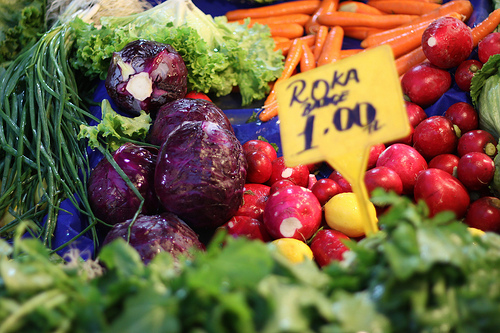
Well, just the other day as I was splashing on a dinner and buying two large lüfer my fishmonger has sneaked in two little ones as a present to me before I knew. I signed when saw two trimmed and peeled çineköp in my bag. And headed out for some greens and root vegetables for my salad: when choosing radishes I thought how good that not all the winter specialties are extinct.




Mmmmmm….The smelt and taste of salep…